A Complete Guide to LSF Structure Costs: Prices, Cost Drivers and the Economics
In this article
- What is an LSF structure, and why does its cost need careful working out?
- Average LSF structure prices in the Iranian market (2024 figures)
- The main factors that drive the cost of an LSF structure
- The economics: is an LSF structure cheaper than concrete?
- How to get a good price for an LSF structure
- Summary and common questions
If you are planning a home or a modern building on a sensible budget and a short timeline, you have almost certainly come across LSF (light steel frame) construction. The system has changed how buildings go up, and it draws attention for its speed, its build quality and its strong performance in earthquakes. But the first question every client asks is the same: how much does an LSF structure cost, and what drives that price?
This article looks openly at the finished cost of an LSF structure, the factors that move it, and how it compares economically with conventional construction (reinforced concrete and heavy steel frames).
What is an LSF structure, and why does its cost need careful working out?
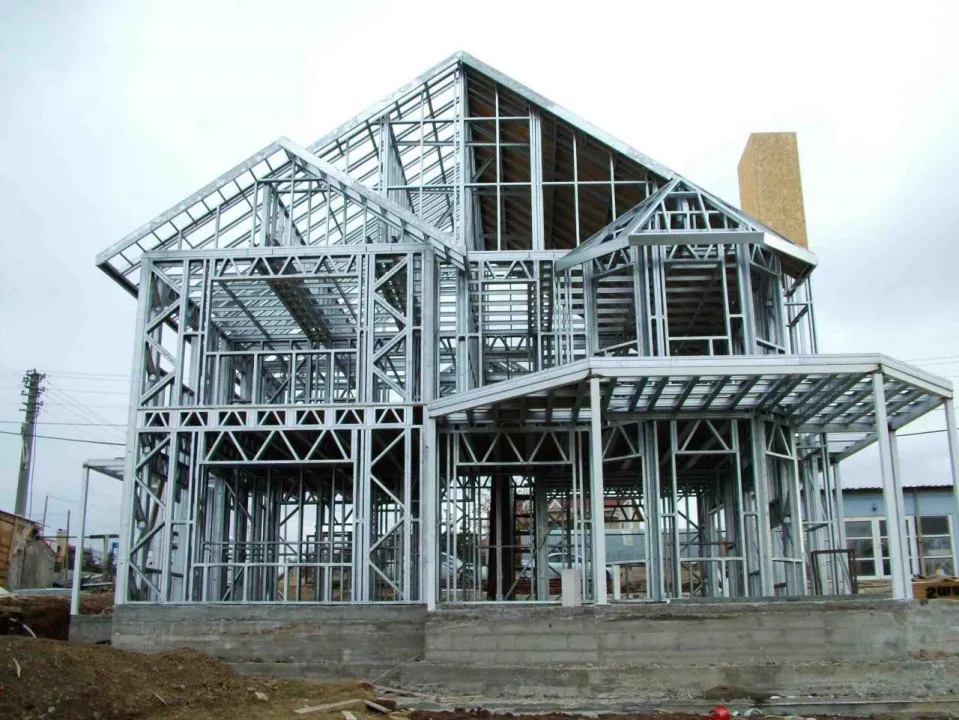
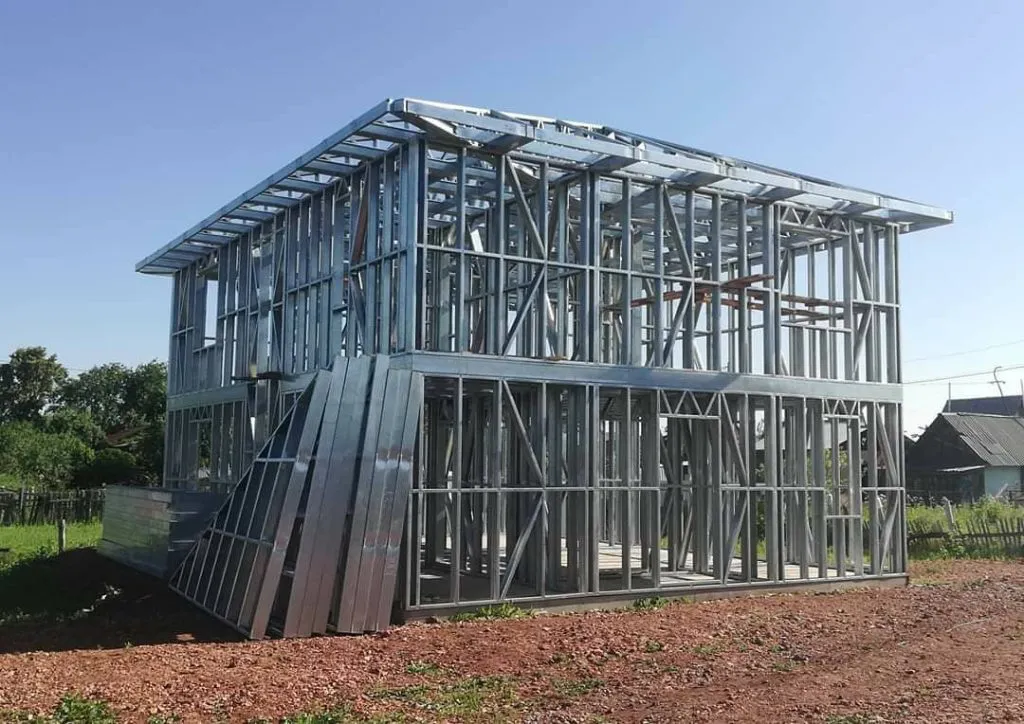
LSF is a dry, prefabricated building system: the main frame of the building is made from cold-formed, galvanized steel sections. Because the frame is very light (roughly a third to a quarter of the weight of a concrete one), flexible and recyclable, it has become a strong choice for villas, terraced houses and even mid-rise buildings.
Understanding the real cost of an LSF structure lets you budget accurately and avoid hidden costs during construction. Contrary to what many people assume, the price is not just the price of raw steel: it also covers design, fabrication, installation and the finished envelope.
Average LSF structure prices in the Iranian market (2024 figures)
Construction prices depend heavily on currency swings and inflation, so treat the figures below as a guide to the range rather than a quote. All figures are in Iranian toman per square metre, as quoted in the Iranian market in 2024.
In general, an LSF structure is priced by floor area, in two forms: the bare frame, and the complete structure up to turnkey:
- LSF frame only (steel frame and connections): fabrication and installation of the light-steel frames for load-bearing walls, columns and floor joists. This is usually well below the cost of the complete building.
- Complete LSF shell (frame plus envelope): as well as the frame, the building envelope is finished: roof panels, external walls (usually a render or cladding system), thermal and acoustic insulation, and interior lining with gypsum board.
Indicative LSF prices:
- Bare LSF frame: typically 5 to 8 million toman per square metre, depending on how complex the plan is.
- Complete building shell (frame plus finished wall and roof panels): 8 to 12 million toman per square metre.
- Turnkey LSF building (with doors and windows, first-fix services and facade): anywhere from 15 to 25 million toman per square metre, depending on the finishes chosen.
Important: these numbers are estimates only. For an accurate price, take your architectural drawings to several reputable companies and ask each for a quote.
The main factors that drive the cost of an LSF structure
To estimate your own project realistically, you need to know the factors below. They are what make one project cost more than another.
1. Raw material prices (galvanized steel sheet)
The largest single cost in an LSF structure is galvanized steel sheet. Movements in the steel market and in the exchange rate feed straight into the price of cold-formed profiles. The sheet thickness used (usually 1 to 2.5 mm) also has a direct effect on the final price.
2. How complex the architectural plan is
One strength of LSF is that it handles complex plans with many angles easily. Even so, the more corners, openings (doors and windows) and architectural details there are, the longer the design and cutting take, and the higher the price. Simple rectangular plans cost the least.
3. Project size
As with any product, the larger the floor area, the lower the overheads per square metre (transport, setting up the production line), and the more competitive the final price. Projects above about 1,000 m² can usually negotiate a significant discount.
4. What the building is for (housing, offices, villas)
A two-storey house and a four-storey office building need different strength. More storeys need stronger, thicker profiles, which raises the price of the structure directly.
5. Transport and logistics
The finished cost also depends on the distance between the factory and the site. In cities that have an LSF profile plant (such as Tehran, Karaj and Isfahan), transport costs less and the final price is lower.
6. Finishes and insulation
In an LSF building, the quality of the wall panels, the thermal insulation (stone wool, polystyrene, polyurethane) and the interior lining (standard or moisture-resistant gypsum board) all have a large effect on the final price. Premium facades such as composite panels or stone raise the cost considerably.
The economics: is an LSF structure cheaper than concrete?
This is the question on most clients' minds. Answering it means separating two things: the price of the frame and the finished cost of the building.
- Price of the frame: a concrete or heavy steel frame often looks cheaper, because its raw materials (concrete and rebar) seem cheaper at first glance.
- Finished cost of the building: this is where LSF comes out ahead.
Why an LSF structure is economical in the end
- Cheaper foundations: an LSF structure is about 80% lighter than a concrete one, so the foundations need far less concrete and reinforcement. That alone can cut foundation costs by up to 30%.
- Speed and return on investment: LSF goes up at least three times faster than conventional construction. If the building is to be sold or let, finishing sooner means the investment pays back sooner, which is a real economic advantage.
- Lower energy bills: standard thermal insulation inside LSF walls cuts heating and cooling energy over the life of the building.
- Lower labour costs: because the parts are prefabricated, fewer workers are needed on site, which reduces wages as well as the costs of worker accommodation and travel.
The economic bottom line: the first invoice for an LSF frame may look a little higher, but once you count the foundations, the financing cost saved by building faster, and the energy savings, an LSF structure is very competitive with conventional methods, and often cheaper.
How to get a good price for an LSF structure
To get the best price at the right quality, keep these points in mind:
- Get several quotes: never settle for one company. Ask at least three reputable firms.
- Pin down the materials list: make sure each quote states exactly what is included: frame, panels, insulation, fixings, facade.
- Look at the company's track record: the lowest price is not always the best choice. The quality of the connections, the accuracy of the profile cutting and the standard of the galvanized sheet are critical.
- Use a technical adviser: if you do not have the expertise yourself, ask a civil engineer or architect who knows the system to join you in the negotiations.
Summary and common questions
The cost of an LSF structure is not a fixed number: it depends on floor area, location, use and the materials chosen. Even so, because it makes the building lighter, goes up quickly and saves energy, the system is a smart economic choice for modern construction.
If you are planning a villa, a home or an office building with this technology, take your preliminary drawings to reputable companies and ask them to work out an accurate, current price for your project.
Common questions
- Does climate affect the cost of an LSF structure? Not the cost of the frame, but it does affect the thickness of thermal insulation you choose, and so the final cost of the envelope.
- Are the roof and walls priced separately? Yes. The roof (joists and roof deck) and the walls are usually priced separately.
- Can the cost be paid in instalments? That depends on your agreement with the builder, but payment is usually staged: a deposit, then payments during frame erection and after installation and handover.
Related services
From reading to building.

More articles